
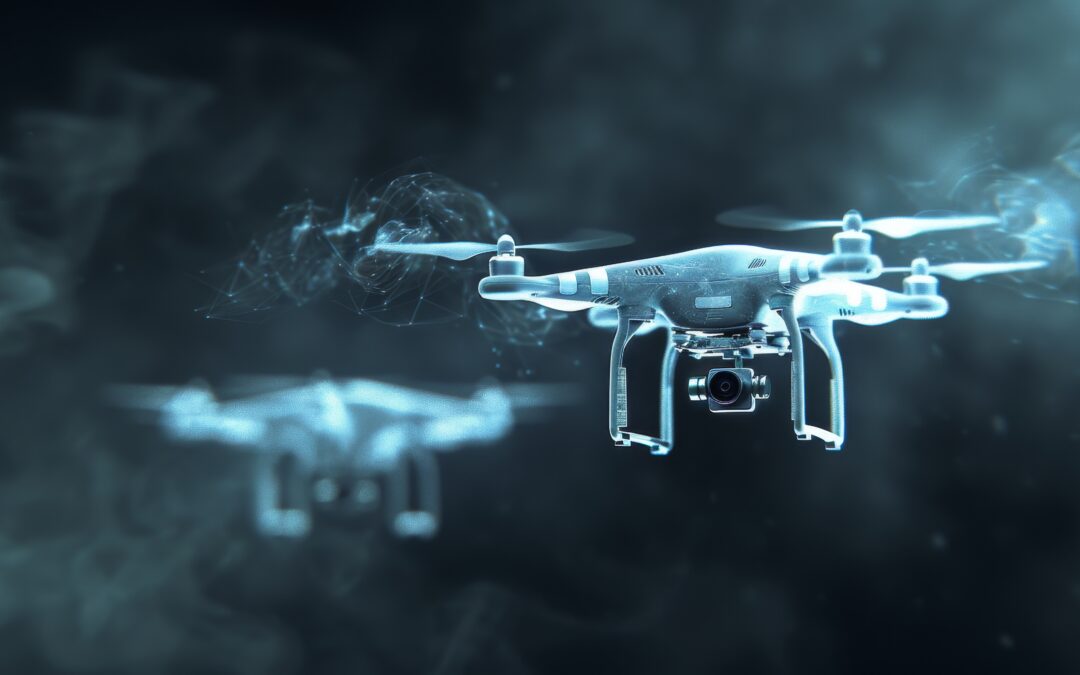
“A drone is just a flying computer connected to a radio, and we know exactly how to deal with both.”
The battlefield is getting quiet. This is what makes it so deadly. The dangerous ways to stop drones do not involve firing missiles. They come in the form of computer code, fake radio signals and fake navigation signals. This is the age of Cyber-Electronic Warfare coming together.
The problem with drones that nobody expected
Drones have changed a lot in than ten years. They used to be toys, but now they are very important tools for armies. They can be used for spying. They can be used to attack. The technology is now available to everyone, not governments.
From ISR (Intelligence, Surveillance, Reconnaissance) missions over contested borders to kamikaze strike drones in asymmetric conflicts, UAS technology is now democratised; available to state actors, non-state groups, and adversarial proxies alike.
Traditional air defence, like missiles, anti-aircraft guns, and kinetic interceptors, was designed for manned aircraft. It is expensive, finite, and ill-suited to swarms of low-cost drones. A single interceptor missile can cost ₹50 lakh or more. A ₹40,000 commercial drone can carry explosives. The economics of kinetic defence are broken.
This is why militaries worldwide are converging on a different answer: don’t shoot the drone, attack its brain.
India’s defence forces are also working on this. You will get to know from the trusted defence academy in Vizag that the Indian army is now using Cyber-Electronic Warfare to defend itself.
So, what is Cyber-Electronic Warfare or cyber + EW =?
It is when you combine cyber attacks with warfare. Electronic warfare is when you use signals to disrupt the enemy’s communications. Cyber attacks are when you use computers to attack the enemy’s systems.
Drones are very vulnerable to these kinds of attacks. They use radio signals to navigate. They have computers on board. This makes them a target for both electronic warfare.
There have been cases where drones have been stopped using these methods. For example, in 2011, Iran was able to capture a US drone by navigation signals. The drone thought it was landing at its home base. It was actually in Iran.
In the war between Russia and Ukraine, both sides have used cyber and electronic warfare to attack each other’s drones. Ukraine was able to take control of a drone and land it safely. Russia was able to disrupt drones using fake signals.
India is also using these methods to defend itself. They have units that are trained to use cyber and electronic warfare. They are also working on technologies to stop drones.
Why is this important for Defence Aspirants in India?
It is because the army is changing, and they need people who understand both warfare and cyber warfare. They need people who can understand how to use computers and signals to attack the enemy.
- The convergence of cyber and electronic warfare is reshaping every branch of the armed forces — Army, Navy, Air Force, and the newly constituted Defence Cyber Agency (DCA). Officers will be expected to understand both simultaneously.
- For defence aspirants preparing for NDA, CDS, AFCAT, or direct technical entry schemes, a foundational grasp of cyber-EW concepts is no longer optional. It is a competitive differentiator in SSB interviews, GTO tasks, and technical aptitude rounds. Questions about drone warfare, electronic countermeasures, and cyber threats to military systems are increasingly common in current affairs and defence knowledge papers.
Some of the things that drones are using to defend themselves include:
- Codes to protect their communications
- Other methods to navigate when their GPS is not working
- Working in groups so even if one drone is stopped, the others can keep going
- Using computers to detect when someone is trying to fake their signals
The army is looking for people who can understand how to use cyber and electronic warfare to defend India. They need people who can use computers and signals to stop drones and other enemies. This is an important job, and it requires a lot of skill and knowledge.
So, if you want to join the army in India, you need to learn about electronic warfare from the trusted Defence Academy in Vizag. You need to know how drones work and how to stop them. You need to know how to use computers and signals to attack the enemy. This knowledge will give you an edge when you are applying to join the army.
If you are interested in joining the army, you should learn as much as you can about cyber and electronic warfare. It is an important skill, and it will give you a lot of opportunities in the army.
To know more about the defence courses,
Contact 📞 824736113 / 📞Hyderabad: +91 88853 83561 and get expert advice from the experienced mentors.
FAQ:
1. What is cyber-electronic warfare in drone defence?
Cyber-electronic warfare combines cyber operations and electronic warfare techniques to detect, disrupt, or disable drones without using physical weapons.
2. How can drones be stopped without firing a shot?
Drones can be neutralised by blocking their navigation systems, interfering with radio frequencies, or taking control of their communication channels.
3. Why is non-kinetic drone defence becoming important?
Non-kinetic methods reduce collateral damage, avoid civilian casualties, and are often more cost-effective than traditional missile-based defence systems. They are especially useful in urban areas, airports, and sensitive military zones.
4. What are the biggest challenges in cyber-electronic drone warfare?
Modern drones are becoming more autonomous and resistant to jamming. Challenges include detecting small drones quickly, countering encrypted communications, and keeping pace with rapidly evolving drone technologies.